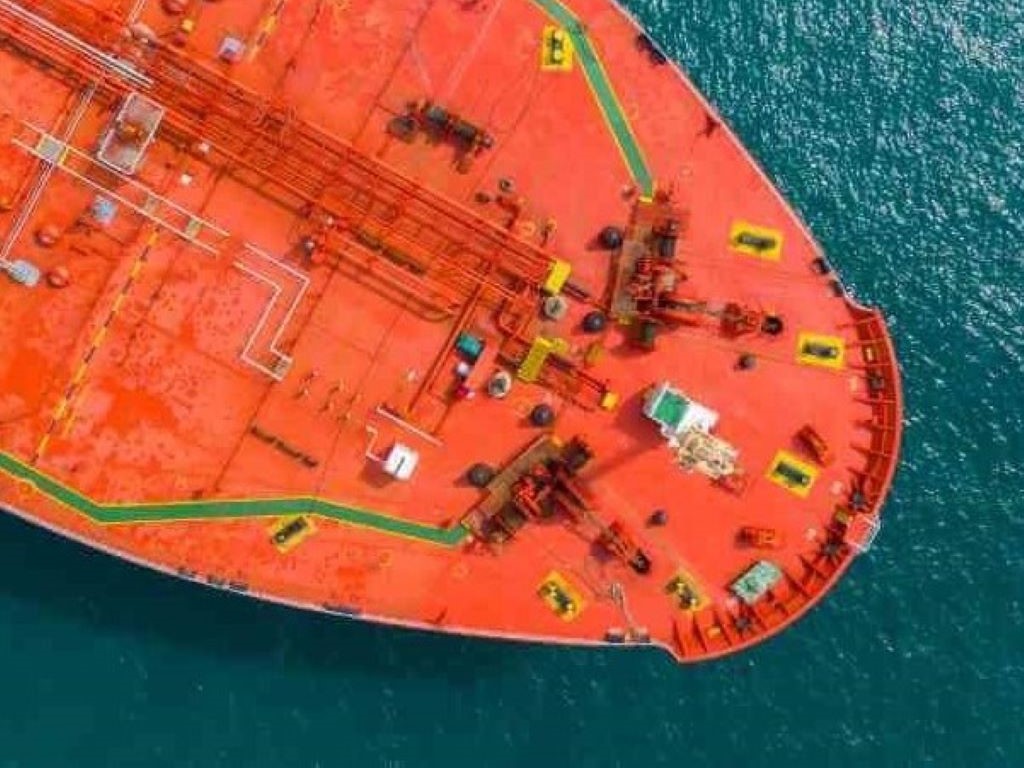
Streamlining Operations for Global Impact
Introduction
Nigeria, with its bustling economy and rich natural resources, stands as a gateway to Africa’s booming trade market. Yet, as the world looks to Africa for its next big opportunity, the question remains: Is Nigeria ready to meet the demands of global trade? With advancements in logistics, export, and shipping, the country is on the cusp of a transformative journey that could solidify its place as a leading trade hub in Africa. This article delves into how Nigeria is overcoming challenges in these critical sectors to unlock its vast potential.
The Pulse of Nigeria’s Economy: Logistics
Logistics is the lifeline of Nigeria’s economy, ensuring that goods move efficiently from producers to consumers both domestically and internationally. The country’s strategic location as a gateway to West Africa presents immense opportunities for growth. However, Nigeria’s logistics sector has long been hampered by infrastructural deficits, high transportation costs, and security issues.
But change is on the horizon. Recent government initiatives, such as the National Integrated Infrastructure Master Plan (NIIMP), are focusing on revitalizing Nigeria’s road networks, railways, and ports. The introduction of technology-driven logistics solutions, like real-time tracking and automated warehousing, is further positioning Nigeria as a competitive player in the global logistics arena.
Nigeria’s Golden Ticket to Global Markets
Nigeria’s export landscape is rapidly evolving. While oil remains a dominant export, the government’s push for diversification is opening doors for other sectors, particularly agriculture, solid minerals, and manufacturing. These sectors are now emerging as powerful drivers of export growth, offering Nigerian products a prominent place in international markets.
Navigating the export process in Nigeria requires compliance with regulations, securing necessary permits, and adhering to international standards. But the Nigerian Export Promotion Council (NEPC) is working tirelessly to streamline these processes, offering incentives like the Export Expansion Grant (EEG) and facilitating access to global markets through trade fairs and export missions.
As Nigeria embraces the African Continental Free Trade Area (AfCFTA), exporters are presented with new opportunities to reach markets across Africa, reducing tariffs and non-tariff barriers that have previously hindered intra-African trade.
Navigating the High Seas
Shipping is the heartbeat of Nigeria’s international trade. With over 90% of global trade conducted by sea, Nigeria’s ports are crucial to the country’s economic ambitions. Yet, challenges such as port congestion, aging infrastructure, and maritime security threats have long plagued the sector.
However, efforts to modernize Nigeria’s ports are underway. The Lagos Port Complex and Tin Can Island Port are undergoing significant upgrades, with the adoption of digital port management systems aimed at reducing congestion and speeding up cargo handling. Additionally, investments in new deep-sea ports, like the Lekki Deep Sea Port, are set to enhance Nigeria’s shipping capacity, making it a more attractive destination for global shipping lines.
Furthermore, Nigeria’s commitment to improving maritime security in the Gulf of Guinea is restoring confidence among international shippers. The Deep Blue Project, an initiative aimed at combating piracy and ensuring the safety of vessels, is a testament to Nigeria’s determination to secure its maritime domain.
As Nigeria embraces the African Continental Free Trade Area (AfCFTA), exporters are presented with new opportunities to reach markets across Africa
The Road Ahead
The future of logistics, export, and shipping in Nigeria is bright, fueled by innovation and strategic investments. The integration of technology in logistics, from blockchain in supply chain management to AI-driven predictive analytics, is revolutionizing the way goods are moved and managed. Meanwhile, the export sector’s focus on quality and compliance is ensuring that Nigerian products meet global standards, enhancing their competitiveness on the world stage.
In shipping, the shift towards sustainable practices, including the adoption of green technologies in port operations and vessel management, is positioning Nigeria as a forward-thinking player in the global maritime industry.
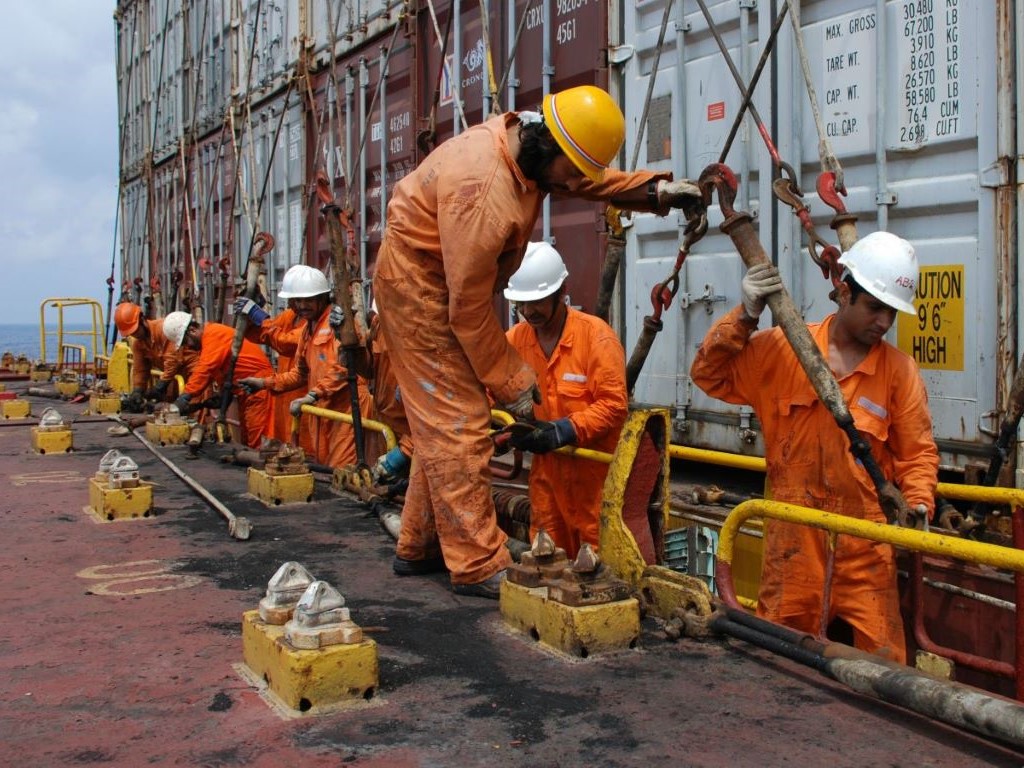
Strategic Geographic Location Enhances Shipping Logistics in Nigeria.
Nigeria's strategic geographic location on the Gulf of Guinea positions it as a vital hub for maritime trade in West Africa. This prime location offers direct access to major international shipping routes, connecting the country to global markets in Europe, the Americas, and Asia. Additionally, Nigeria's extensive coastline and proximity to key regional markets make it a natural gateway for trade within Africa, particularly under initiatives like the African Continental Free Trade Area (AfCFTA).
This advantageous location allows for shorter transit times and reduced shipping costs, making Nigeria an attractive destination for international shipping companies. The ongoing development of deep-sea ports, such as the Lekki Deep Sea Port, further enhances Nigeria’s capacity to handle large volumes of cargo, accommodating the growing demands of global trade. Combined with government efforts to modernize port infrastructure and improve maritime security, Nigeria’s strategic position is increasingly making it a cornerstone of efficient and effective shipping logistics in the region.