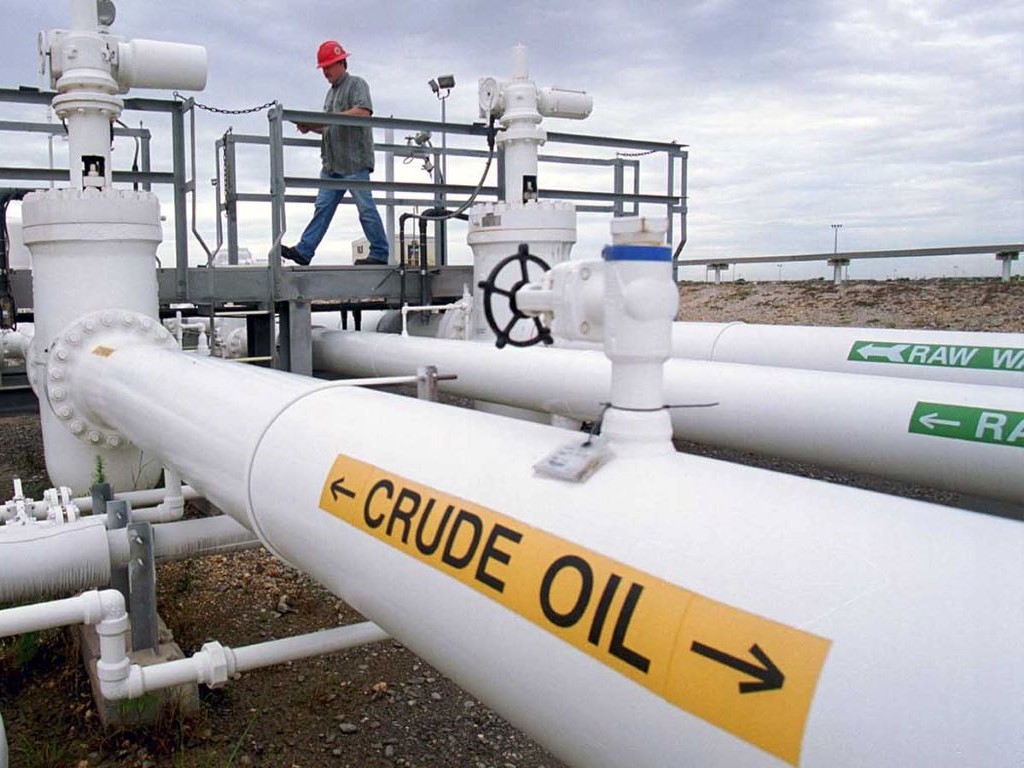
This article focuses on what’s real and what isn’t, and shows crude oil buyers what to do to close a successful transaction
Before Anything..
First, the NNPC is an OPEC registered nation, and so, abides by OPEC rules and regulations. Meaning that if a crude oil buyer wants to get Nigeria’s crude oil, they’d have to come down to Nigeria to have a talk with the NNPC, after which they can go on to purchase the quantity of crude oil they want at the full OPEC price.
So Who Are Off-Takers?
Every year, the NNPC puts out an advert for companies that meet a minimum critical requirement, to bid for crude oil lifting and marketing contracts. These organizations undergo a technical and financial evaluation to prove they are fully fit to lift and market Nigeria’s crude
Those awarded the contract usually get a year-long allocation/contract to sell Nigeria’s crude oil to refineries around the world, and this is done based on thorough OPEC practices.
The discounts here can be as ridiculously low as $2 or mostly none at all, which never favours crude oil buyers who primarily look to buy Nigeria’s crude oil for resale purposes.
So What Are OFF-OPEC Sales
Since OPEC (Organization of the Petroleum Exporting Countries), the world’s foremost body for regulating the price of crude oil, imposes strict practices for its member countries to follow, this limits the production capacity and sales of crude oil worldwide.
Nigeria, for instance, as at July 2017, officially produces about 2.2 million barrels of crude oil a day. These figures are merely official numbers, but what is rumored to be generated is said to be over 3 to 4 million barrels of crude oil a day.
These excess crude oil generated are then in-turn sold through organizations who have the financial capacity to execute in what are commonly called Off-OPEC transactions. Here, the companies buy the crude oil from the NNPC on Provisional Lifting Right (PLR) FOB terms, and then go on to resell to crude oil buyers on CIF terms. Here, no OFF-OPEC allocations are given. Everything is simply done on PLR basis.
Several companies operate on OFF-OPEC / PLR terms, and this is why their names never appear on the list of off-takers the NNPC releases every year, which are only meant to be companies that strictly operate with OPEC practices on behalf of the Nigerian government.
So How Does A Crude Oil Buyer Buy Crude Oil From The Nigerian OFF-OPEC Market?
The first step is to find a credible crude oil seller who doesn’t just have experience trading OFF-OPEC, but is willing to complete a transaction on reasonable terms, discounts, and procedures. Since the sellers are usually difficult to find, you’d have to communicate directly with their mandates or facilitators.
The NNPC only sells crude oil on FOB terms for both OPEC and OFF-OPEC (PLR) transactions. After which the crude oil seller goes on to cover the insurance, clearance, and transportation costs to enable them to ship crude oil to their buyers on CIF terms. Although, OFF-OPEC crude oil sellers can still do FOB (Free On Board), CIF (Cost, insurance, and Freight), TTT (Tanker to Tanker Transfer), and TTO (Tanker Take Over) procedures for any crude oil buyer that requests it.
Next, the crude oil buyer’s bank would need to show a proof of finance to the crude oil seller’s bank, after which the seller’s bank would go to show their financial capability and readiness to post a 2% performance bond upon the placing of a financial instrument by the crude oil buyer.
n some cases, the crude oil seller can post an upfront performance bond for the crude oil buyer to provide comfort.
After the crude oil buyer’s financial instrument is in place, the crude oil seller will then go on to secure Laycan, load the vessel, and then present all the vessel documents and more to the crude oil buyer for verification before the cargo is shipped.
Procedures could widely vary, and an inexperienced OFF-OPEC crude oil seller could make dire mistakes in choosing the type of financial instrument or procedure, which occasionally leads to distressed vessels.
Find a mandate or Facilitator The first step is to find a credible crude oil seller who doesn’t just have experience trading OFF-OPEC, but is willing to complete a transaction on reasonable terms, discounts, and procedures. Since the sellers are usually difficult to find, you’d have to communicate directly with their mandates or facilitators.
An Important Point
Trying to buy crude oil from Nigeria through genuine OFF-OPEC sellers can lead to a lot of wasted time and efforts on the part of the crude oil buyers. They spend a lot of time vetting crude oil sellers in Nigeria, doubting their results even if positive, and going back and forth too many times than they can count, only to end up either cancelling their decision to buy or making a purchase after months or years have passed.
For Safe transaction
Since finding genuine crude oil sellers in Nigeria is a problem, it is always wise for a crude oil buyer to use a Nigerian organisation as its buyer mandate, so they can be on the ground, meet with several crude oil sellers, and help the crude oil buyer make better calculative decisions

Brokers play a crucial role in the trade of Bonny Light crude oil in Nigeria for several reasons.
Market Access and Connections: Brokers often have established relationships with key players in the oil industry, including producers, refineries, and international buyers. They act as intermediaries, facilitating connections between sellers and buyers who might not otherwise find each other.
The oil market, particularly for specific types like Bonny Light crude, can be complex. Brokers possess in-depth knowledge of the market, including pricing trends, quality specifications, and legal requirements, which helps in negotiating better deals.
Expertise and Knowledge:The oil trade involves significant financial risks, including payment defaults and contract disputes. Brokers help to mitigate these risks by ensuring that all parties are credible and that the terms of the deal are fair and transparent.
Risk Mitigation:Brokers often assist with the logistical aspects of the trade, such as securing necessary export permits, arranging transportation, and ensuring compliance with local and international regulations. Brokers are skilled negotiators who can help secure favorable terms for both buyers and sellers. They also manage contracts, ensuring that all parties fulfill their obligations.
Logistics and Compliance:Brokers have access to up-to-date market intelligence, including information on supply and demand, pricing, and potential geopolitical issues that could affect the trade. This helps in making informed decisions.
Negotiation and Contract Management:Brokers are skilled negotiators who can help secure favorable terms for both buyers and sellers. They also manage contracts, ensuring that all parties fulfill their obligations.
Market Intelligence:Brokers have access to up-to-date market intelligence, including information on supply and demand, pricing, and potential geopolitical issues that could affect the trade. This helps in making informed decisions.
Overall, brokers simplify the complex process of trading Bonny Light crude oil, making it more efficient and reducing the risks involved for both buyers and sellers.