The Essential Role of Solid Mineral Brokers in Facilitating Efficient and Transparent Market Transactions
Introduction
Nigeria, a nation renowned for its oil reserves, is also richly endowed with a diverse range of solid minerals. From tin and limestone to gold and coal, these resources are spread across the country, offering significant potential for economic growth and diversification. Despite this wealth, the solid minerals sector has historically been underexplored and underutilized. However, with increasing government focus and private sector interest, the industry is poised for transformation.
Solid mineral brokers play a crucial role in the Nigerian mining sector by connecting buyers and sellers, negotiating deals, and ensuring that transactions are conducted transparently and efficiently. Their expertise in market trends, pricing, and regulations helps streamline the process of mineral trade, making it easier for stakeholders to navigate the complex landscape. By acting as intermediaries, brokers help mitigate risks, enhance market access, and contribute to the overall growth and sustainability of the solid minerals industry in Nigeria.
The Wealth of Nigeria's Solid Minerals
Nigeria is home to over 34 different types of solid minerals, scattered across the 36 states of the federation. Key minerals include:
Gold: Found in commercial quantities in states like Zamfara, Niger, and Osun
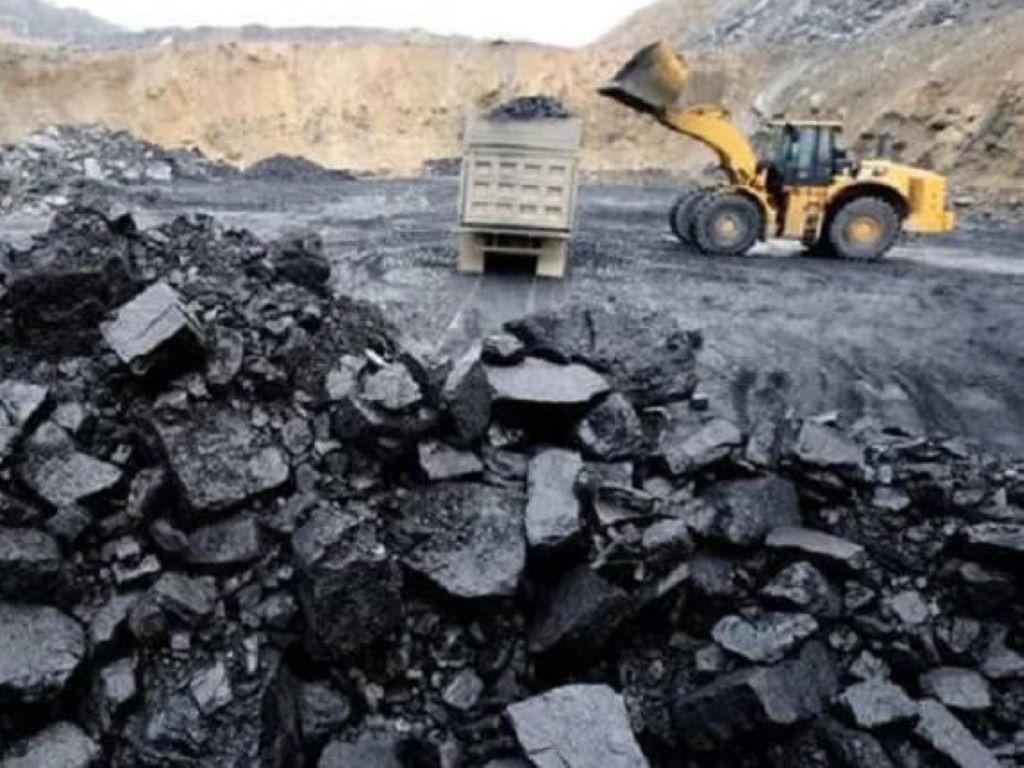
Coal: Deposits in Enugu, Benue, Kogi, and others have significant potential for power generation.
Limestone: Abundant in states like Ogun and Benue, limestone is crucial for the cement industry.
Tin and Columbite: Plateau State is a historical hub for these minerals, which are used in electronics and other industries.
Californium: californium is one of the most valuable and powerful radioactive elements, used in applications like nuclear reactors and cancer treatment. Its presence in Nigeria, even in trace amounts, highlights the country’s potential to contribute to advanced scientific research and technology.
And so many other solid mineral resources
The Nigerian solid minerals sector has experienced fluctuating levels of activity over the decades. Post-independence, mining contributed significantly to the economy, but interest waned as oil production took center stage. However, recent years have seen renewed interest, driven by the government’s push for economic diversification and reduced reliance on oil.
Regulatory Framework and Government Initiatives
The Nigerian government has implemented several policies and frameworks to encourage investment in the solid minerals sector:
Nigerian Minerals and Mining Act (2007): This law provides the legal framework for the regulation of the mining industry, offering incentives like tax holidays, exemptions, and duty-free imports of mining equipment.
Roadmap for the Growth and Development of the Nigerian Mining Industry (2016): This document outlines the government’s plan to increase mining’s contribution to GDP from 0.3% to 3% by 2025.
Solid Minerals Development Fund (SMDF): A fund established to provide financing to mining projects, especially those that can spur economic growth.
Mining and Exploration: With vast untapped reserves, there is significant potential for mining operations. Foreign and local companies can partner with the government or local communities to explore and extract minerals.
Processing and Value Addition: Rather than exporting raw minerals, there is a growing emphasis on processing and adding value within Nigeria. This could create jobs, enhance revenues, and reduce import dependence.
Export Potential: Global demand for minerals like gold, tin, californium, and rare earth elements is rising. Nigeria, with its rich deposits, is well-positioned to become a key player in the global minerals market.
With proper connections and licenses, brokers can export minerals to international markets, where they might fetch higher prices.
For Safe transaction
Solid mineral brokerage in Nigeria has significant growth potential, especially with the government’s focus on the sector. However, success requires a good understanding of the market, regulatory compliance, and strategic networking.

Brokers play a crucial role in the trade of solid mineral in Nigeria for several reasons.
The solid minerals sector in Nigeria holds immense promise for economic diversification, job creation, and increased revenues. With the right policies, investments, and strategic initiatives, Nigeria can harness its mineral wealth to drive sustainable development and position itself as a leading player in the global mining industry. The path forward requires collaboration between the government, private sector, and local communities to overcome challenges and fully realize the sector’s potential.